
When NOAA’s Climate Prediction Center released its latest forecast in May, the message was stark: a “super” El Niño is likely heading our way. With a 65% probability of becoming strong or very strong by October 2026, this climate event threatens to reshape weather patterns globally. For Bangladesh, a nation already grappling with rising sea levels and erratic monsoons, the implications are dire. We’re talking about severe droughts, skyrocketing food prices, and potential inflation spikes that could destabilize livelihoods across the country.
The twist? This isn’t just another seasonal shift. A super El Niño—defined by sea surface temperatures rising 2°C (3.6°F) above average—is a rare beast. The last time we saw anything close was in 1997-98, which triggered global chaos. Now, scientists warn that if current trends hold, the period from late 2026 through February 2027 could bring some of the most extreme weather conditions seen in a generation. But here’s the real question: Is Dhaka prepared?
The Science Behind the Storm
Let’s break down what’s actually happening in the Pacific Ocean. El Niño is part of the El Niño–Southern Oscillation (ENSO) cycle, a natural fluctuation in ocean temperatures and atmospheric pressure. Normally, when central Pacific waters warm by just 0.5°C, it’s classified as an El Niño event. But when those temperatures spike by 2°C or more, we enter “super” territory.
According to data cited by Live Science, NOAA’s confidence in this forecast jumped by 20 percentage points between April and May alone. There’s an 82% chance El Niño will arrive between now and July, with peak intensity expected from October onwards. Why does this matter? Because these warming waters don’t stay put. They fundamentally reorganize Earth’s atmospheric circulation, shifting rainfall belts and redirecting storm tracks worldwide.
In Southeast Asia and Australia, this usually means severe drought. In South America, it often brings heavy flooding. And in the Atlantic, hurricane activity tends to suppress due to increased wind shear. But for South Asia, particularly Bangladesh, the impact is felt through heat and lack of rain.
A History of Heat and Drought
To understand the stakes, look at history. Research from American International University-Bangladesh (AIUB) highlights how previous El Niño events have hammered the region. During the 1997 El Niño, Bangladesh experienced a 60% rainfall deficit in June, delaying the monsoon onset by a full month. That delay crippled agricultural cycles and led to widespread water stress.
More recently, the 2023 El Niño contributed to Bangladesh recording its hottest year on file. Monsoon rainfall came in 67% below average. The result? Intensified heatwaves, dried-up riverbeds, and significant crop failures. Conversely, La Niña phases—the cooler counterpart—often bring excessive rainfall and devastating floods, damaging rice yields and displacing millions. It’s a double-edged sword, but right now, the heat is turning up.
Cyclone Amphan in 2020 also serves as a grim reminder of the Bay of Bengal’s volatility. While not directly caused by El Niño, the intensification of cyclones in warmer waters underscores the compounding risks of climate change overlapping with ENSO cycles.
Economic and Social Fallout
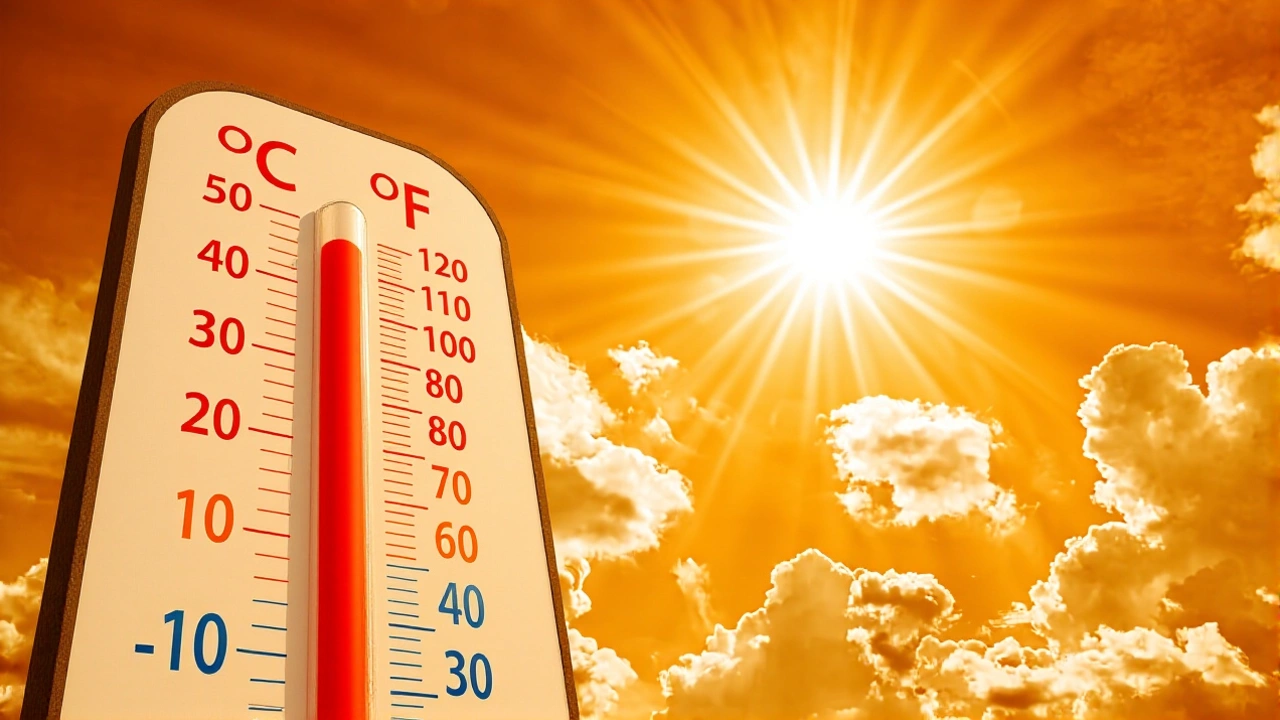
Here’s where it gets personal. When rains fail, crops die. When crops die, prices rise. The Daily Star, a prominent English-language newspaper based in Dhaka, warns that a super El Niño could trigger a perfect storm of drought, crop losses, and inflation. Rice, the staple food for over 160 million people, is particularly vulnerable. Reduced yields mean higher import costs, which directly feed into national inflation rates.
Health risks are equally concerning. Higher temperatures correlate with increased heat-related illnesses and vector-borne diseases like dengue fever. With altered precipitation patterns, stagnant water pockets may persist longer in some areas while others parch, creating ideal breeding grounds for mosquitoes. The humanitarian cost, as noted by Zero Carbon Analytics, could be huge.
Is Bangladesh Prepared?
This is the million-dollar question. Bangladesh has made strides in disaster management since the catastrophic floods of the 1990s. Early warning systems are better. Coastal embankments are stronger. But can infrastructure keep pace with a super El Niño combined with long-term climate change?
Experts argue that proactive measures are non-negotiable. Climate-resilient agriculture—such as drought-tolerant rice varieties—is crucial. Enhanced water storage facilities could mitigate short-term shortages. Yet, sustained international support remains vital. As AIUB researchers note, local efforts must be bolstered by global cooperation to address these systemic vulnerabilities.
The government faces a tight timeline. If El Niño peaks in late 2026, preparation windows are closing fast. Food security planning needs to move from policy papers to immediate action. Stockpiling essential grains, diversifying supply chains, and supporting smallholder farmers with subsidies could buffer the initial shock.
What’s Next?
Over the next few months, watch for updates from NOAA. Their monthly forecasts will refine probabilities and timelines. Meanwhile, regional bodies like SAARC may coordinate cross-border water management strategies. Investors should monitor commodity markets, especially rice and wheat, for price volatility signals.
For ordinary citizens in Dhaka and rural villages alike, the advice is simple: conserve water, prepare for heat, and stay informed. The science is clear. The threat is real. The only variable left is our response.
Frequently Asked Questions
What defines a "super" El Niño compared to a regular one?
A standard El Niño occurs when sea surface temperatures in the central Pacific rise by at least 0.5°C above average. A "super" or very strong El Niño is defined by a temperature anomaly of 2°C (3.6°F) or higher. This threshold signifies a much more powerful disruption to global weather patterns, leading to more extreme droughts, floods, and heatwaves than typical events.
How will a super El Niño specifically affect Bangladesh's agriculture?
Bangladesh relies heavily on monsoon rains for its rice harvests. A super El Niño typically suppresses monsoon rainfall, leading to severe droughts. Historical data shows deficits of up to 60-67% in rainfall during past El Niño years. This directly reduces crop yields, increases reliance on imports, and drives up food prices, threatening national food security and exacerbating inflation.
When is the super El Niño expected to peak?
Based on NOAA’s May forecasts, there is an 82% chance El Niño conditions will establish between May and July. The event is projected to strengthen into a "strong" or "very strong" phase starting in October 2026 and is likely to persist until approximately February 2027. Peak impacts on weather and agriculture are expected during this late-year window.
What are the health risks associated with this climate event?
Prolonged heatwaves increase the risk of heatstroke and dehydration, particularly for outdoor workers and vulnerable populations. Additionally, altered rainfall patterns can create stagnant water sources that breed mosquitoes, potentially increasing outbreaks of vector-borne diseases like dengue fever. Water scarcity also poses sanitation challenges, raising the risk of waterborne illnesses.
Is Bangladesh doing enough to prepare for this crisis?
While Bangladesh has improved its disaster management infrastructure, experts argue that urgent, targeted actions are still needed. These include deploying drought-resistant crop seeds, enhancing water storage capacity, and securing international aid for food reserves. Current preparations are viewed as insufficient to fully mitigate the economic and social shocks of a super El Niño without immediate policy acceleration.